

What I Look for First in an Existing Stadium Space
Sports Team Studios | David Frangioni
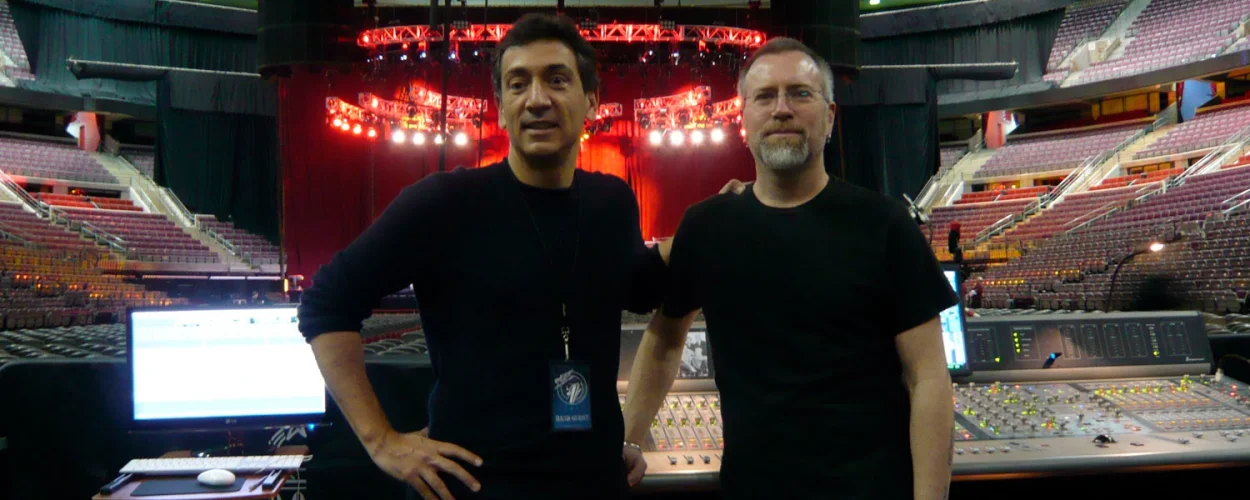
When a team shows me a room and asks if it can be a studio, I don’t look at the finishes. I listen to it.
I Listen Before I Measure
I stand in the space and listen for the building: air handlers, elevators, the concourse, the loading dock. On game day that noise multiplies. If I can hear it now, a microphone will hear it later. Then I measure, so the isolation plan is based on numbers.
I Check the Air and the Power
Stadium HVAC is built to move a lot of air, not to be quiet. Most conversions need their own low-noise system. I also look for clean, dedicated power, because hum is far cheaper to prevent than to chase.
I Look Up
Ceiling height decides what a room can be. A tall room can hold a lighting grid, overhead speakers for Atmos and a real camera stage. A low room may be perfect for podcasts and voice-over instead.
I Walk the Route
The best studio is the one talent can reach in two minutes. I walk from the locker room, the practice field and the press areas. A room that is easy to get to gets used every day.

The full checklist is at Frangioni Media: Converting Stadium or Training-Facility Space into a Content Studio. More in my Sports Team Studios series.