

What Building Studios for Legendary Artists Taught Me About Building Them for Teams
The Team Studio Series | Part 2 of 4 | David Frangioni

By David Frangioni
Five lessons from studios built for Aerosmith, Sting, KISS and Elton John, and why every one of them applies to a professional team’s production facility.
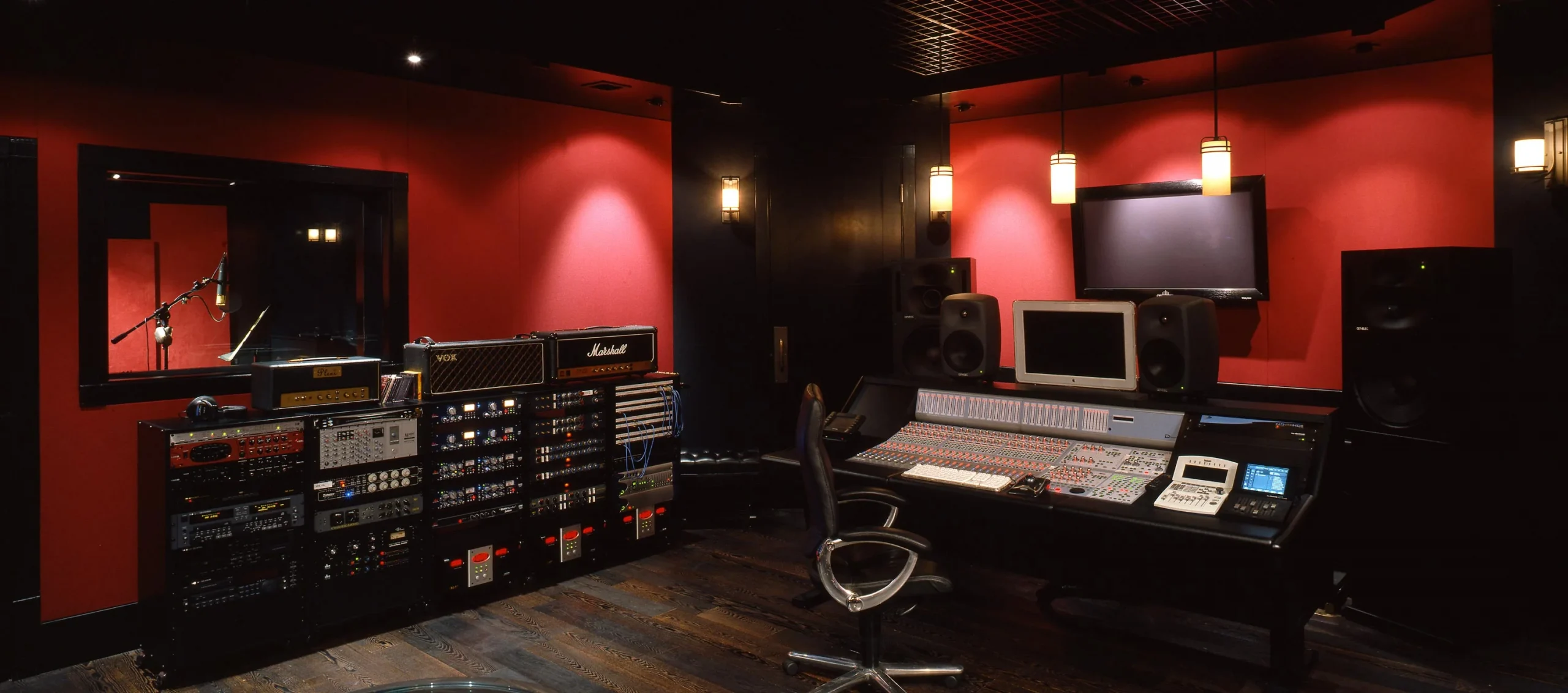
I have spent my career in rooms built for people who hear everything. When you work with artists like Aerosmith, Sting, Ozzy Osbourne, KISS or Elton John, the room is never just a room. It is part of the performance. If the room is wrong, the work is wrong.
Professional teams are now building production facilities of their own. The lessons I learned from those artists apply directly.


Lesson One: The Room Has to Disappear
The best studio is one the artist never thinks about. Headphones work. Talkback works. The monitors tell the truth. Nobody waits for a technician.
A team studio needs the same invisibility. When a player has twenty minutes between practice and a meeting, the camera, the light and the microphone have to be ready. When a producer needs to cut a piece before a game, the media has to be there. Every friction point costs content.
Lesson Two: Trust the Monitoring
In a studio, I cannot make a good decision if I do not trust what I am hearing. The same is true of picture. If the edit suite display is wrong or the mix room is not calibrated, the team approves content that looks and sounds different everywhere else.
That is why I insist on reference rooms for review: accurate displays, calibrated sound and controlled light. It is the cheapest insurance in the building.
If the room is wrong, the work is wrong.
David Frangioni
Lesson Three: Build for the Catalog, Not Just the Session
Great artists think in decades. Their recordings become a catalog that is remixed, reissued and rediscovered. I have worked on catalog projects with KISS, and I run the Modern Drummer archive, so I think about how today’s recording becomes tomorrow’s asset.
A team’s footage is the same. Today’s practice clip could be the opening shot of a documentary ten years from now. If the facility does not capture, log and preserve it properly, that asset is gone. Part 3 of this series goes deeper on this.
Lesson Four: Sound Is Half the Experience
Audiences forgive a lot of picture problems. They do not forgive bad sound. Dialogue that is hard to understand, a room that sounds hollow or a crowd that sounds thin will make premium content feel cheap.
I design acoustics and audio systems first, then build the picture around them. And I plan for immersive audio from the start, because the documentaries and films teams are now making will be judged against work mixed in Dolby Atmos.

Lesson Five: One Vision, One Lead
The best studios have one person holding the whole picture: creative needs, technical design, budget and schedule. Projects with five vendors, each optimizing their own piece, rarely reach the same level.
A team facility is too important for that. It needs a single accountable lead who understands production as well as construction and integration.
Where This Leads
I see the teams building studios today the way I saw artists building their own rooms years ago: taking control of their creative output and their future. I want to help them do it right.
The technical side of the facility is covered in Designing a Team Production Facility at Frangioni Media. If your organization is planning one, reach out.
Frequently Asked Questions
How does recording-studio experience apply to a sports team facility?
The same disciplines apply: acoustics, trustworthy monitoring, reliable workflow and long-term asset preservation, held to the standard of artists who hear every flaw.
One call. One accountable lead.
Bring a legendary standard to your team’s studio.
Through Frangioni Media, I design and deliver the facility and the operation behind it.
The Team Studio Series
- Part 1: Why teams are becoming studios
- Part 2: Lessons from building for legends (you are here)
- Part 3: The archive is the catalog
- Part 4: One call, one accountable lead
David Frangioni