

A Franchise’s Archive Is Its Catalog. Treat It Like One.
The Team Studio Series | Part 3 of 4 | David Frangioni

By David Frangioni
Every game, practice and locker-room moment a team captures is a future documentary, anniversary piece or sponsor campaign. Only if it is preserved like a catalog.
In the music business, the catalog is the business. Albums recorded decades ago are remixed, reissued, licensed and rediscovered by new generations. I have worked on catalog projects with KISS, and I see every day how a well-preserved recording keeps creating value long after the session ends.
Professional sports teams have catalogs too. Most have only begun to treat them that way.
Every Season Is a Recording Session
Think about what a team captures in a single season: games, practices, locker rooms, travel, community events, interviews, celebrations, setbacks. Some of it is used that week. Most of it disappears into hard drives with no labels.
Then a documentary is commissioned, or a legend retires, or a sponsor wants a retrospective, and the search begins. When the footage cannot be found, it might as well not exist.
The Chiefs’ docuseries The Kingdom covered more than 60 years of franchise history alongside a single season, according to the Chiefs. Projects like that depend on what was kept and how well it was kept.
What I Learned Building an Archive
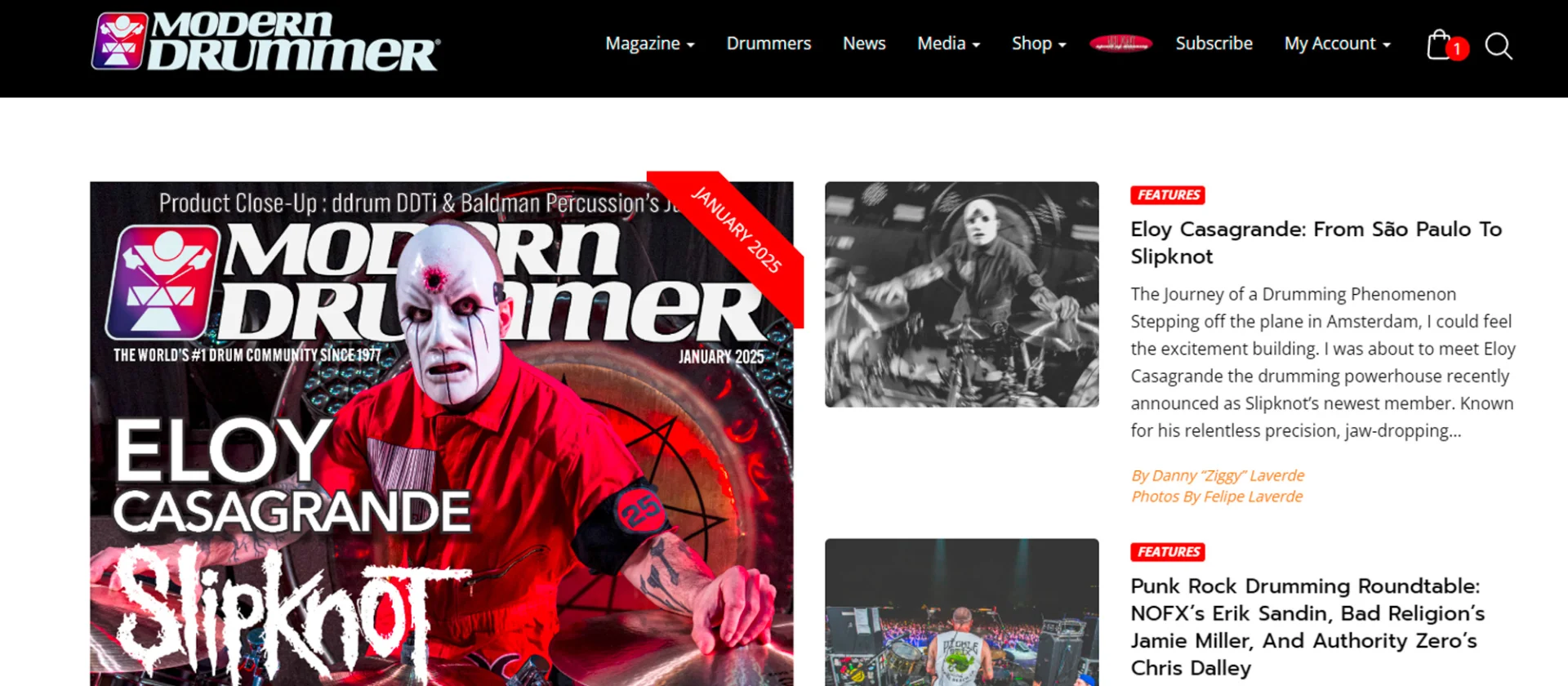
Through Modern Drummer, I operate a digital archive that turns decades of drum history into a searchable, living platform. That work taught me a few things that apply directly to a team:
- Capture at the highest quality you can afford. You cannot add resolution or clean audio later.
- Metadata is the asset. Who, what, when and where make footage usable. Without it, it is just storage.
- Plan for formats that do not exist yet. Today’s 4K will be reprocessed for tomorrow’s displays. Today’s stereo will be remixed for immersive audio.
- Make it findable for the people who need it. A producer on deadline should find the clip in minutes, not days.
Every season is a recording session.
David Frangioni
The Archive Pays for the Studio
When teams calculate the cost of a production facility, they usually count what it will produce next year. The bigger number is what it will make possible for the next twenty years. A properly built archive feeds documentaries, licensing, sponsorship, anniversary content and fan experiences. It is one of the strongest arguments for building the facility right the first time.


Build It Into the Facility
Archive is not something you add later. It belongs in the storage design, the network, the workflow and the job descriptions from the start. That is how I design a team studio through Frangioni Media. The full workflow is covered in Building the Content Engine.
If your team is sitting on decades of footage and wants to turn it into a catalog, let us talk.
Frequently Asked Questions
Why does a sports team archive matter?
Archived footage feeds documentaries, anniversaries, licensing, sponsorship and fan experiences for decades, but only if it is captured, logged and preserved properly.
One call. One accountable lead.
Turn decades of footage into a catalog.
I build archive and asset management into the team facility from day one.
The Team Studio Series
- Part 1: Why teams are becoming studios
- Part 2: Lessons from building for legends
- Part 3: The archive is the catalog (you are here)
- Part 4: One call, one accountable lead
David Frangioni